Once the biggest and most cultured city in Europe, Cordoba is home to a massive, magnificent mosque where Catholics celebrate mass, an equestrian spectacle that combines dressage and flamenco, and my favourite restaurant in Spain – and it’s only 50 minutes by high-speed train from Seville and Malaga
Every New Year’s Eve, as thousands of people in Cordoba’s Plaza de las Tendillas count down the 10 seconds to midnight, all eyes are on the clock tower at the corner of Gondomar Street.
When the hands meet at the top of the dial, the first of 12 loud strums on a flamenco guitar echoes around the square, a deafening cheer goes up and paramedics skilled in the Heimlich manoeuvre prepare to spring into action.
To invite good luck for the year ahead, it’s traditional for Spaniards on this special night to munch and gulp down a dozen grapes, one with each bong of the town hall bell or, in Cordoba, with each strum.
That’s where the paramedics come in, because swallowing 12 grapes in as many seconds also invites the risk of a mishap.
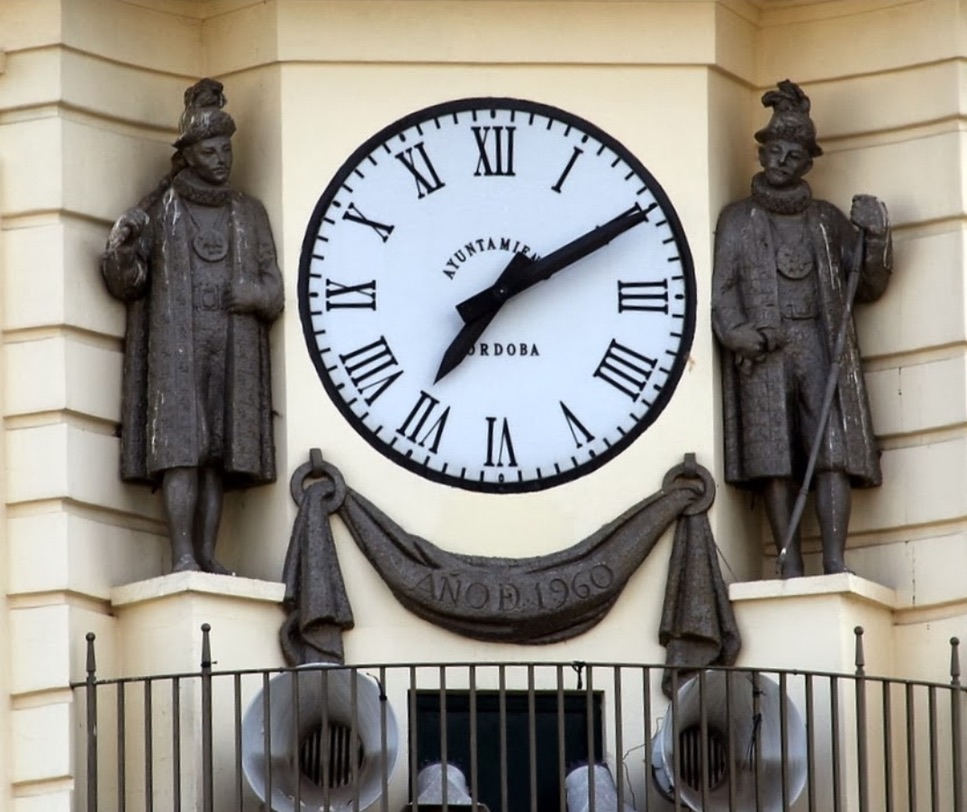
The strums, and some riffs, were recorded in 1959 by local guitar maestro Juan Serrano and first sounded from the Tendillas clock, which was installed as an advertising gimmick by washing-machine maker Philips, on January 29, 1961.
They’ve been marking every hour and quarter-hour since, without fail.
When Serrano, who’s 91 and a long-time resident of Florida, released his US debut album Olé, la mano! in 1962, the New York Times critic wrote: “He has 10 dexterous fingers that sound like 20. He is a lyric sentimentalist who can make the strings cry.”
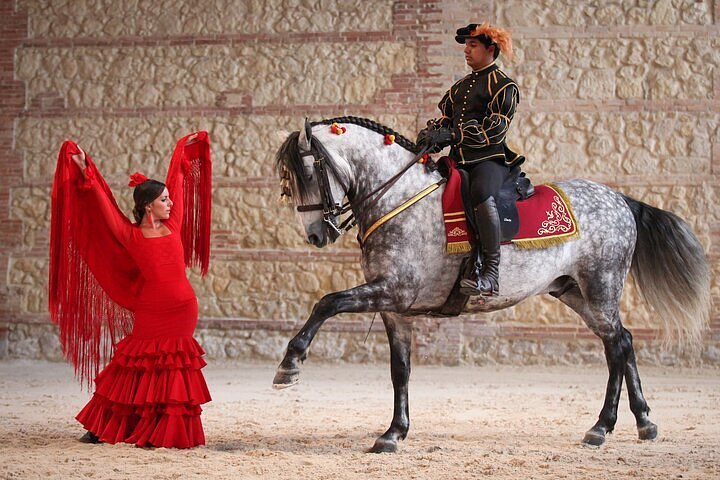
Flamenco always brings tears to my eyes as I’m easily moved, and it’s an integral part of the evening equestrian shows at Cordoba’s Royal Stables, which were built in 1570 by Felipe II to breed that most noble of animals, the Andalucian horse.
Each performance is a 70-minute spectacle of dressage and music, in which a female dancer interacts at scarily close quarters with the riders and their prancing half-tonne mounts.
I first saw the show about 10 years ago, though I’ve been a regular visitor to Cordoba since the mid-1980s. Each time I return, I make a point of buying a ringside seat – it’s an experience tourists would be mad to miss.
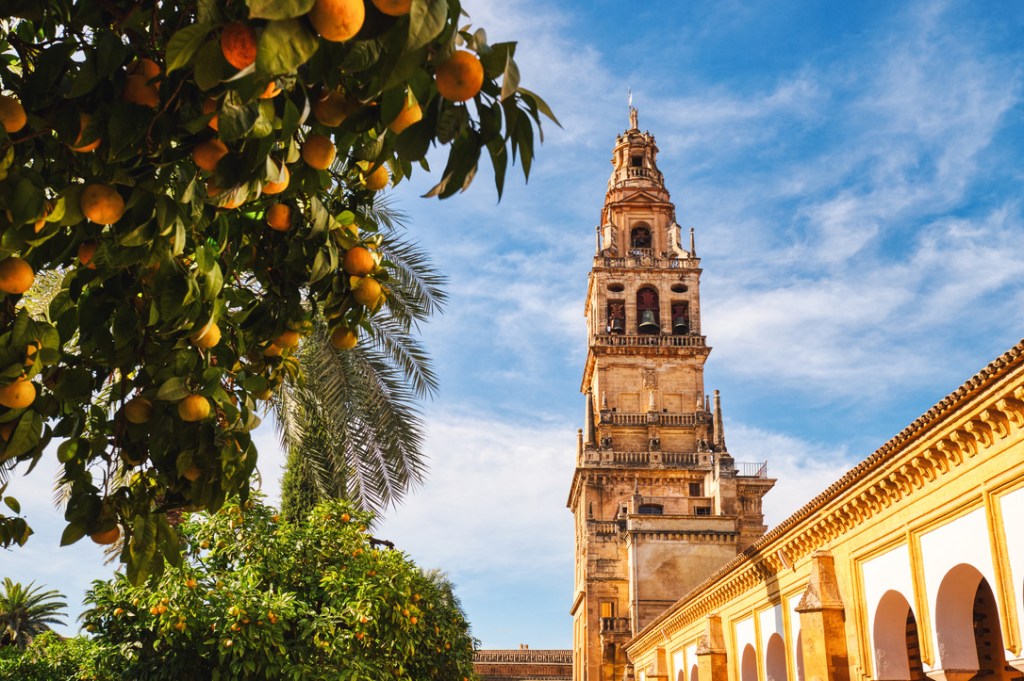
You could call it the city’s mane attraction, but the number-one draw, with more than two million visitors every year, is the only place in the world where Catholic mass is celebrated in a cathedral hidden in the middle of a massive mosque.
Construction of the Great Mosque of Cordoba began in AD785. When it was completed 203 years later, the city was the biggest and most culturally advanced in Europe, with half-a-million inhabitants. The population today is 325,000.
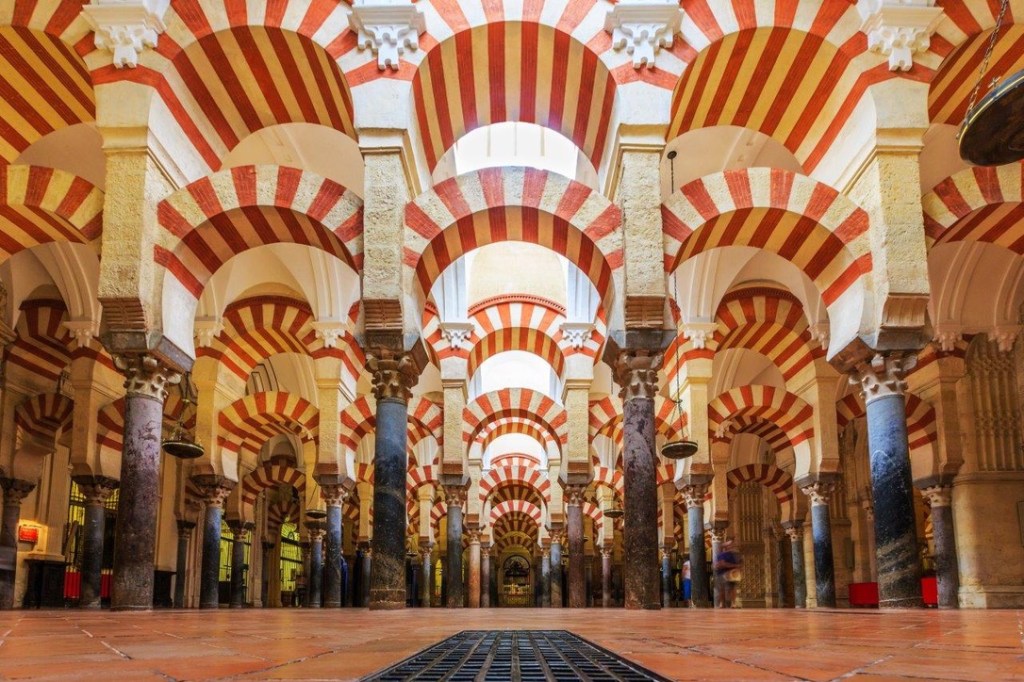
From the narrow streets that surround it, the Mezquita-Catedral is impressive only by its size – it’s a big, unlovely lump of a building enclosed by high walls; but step inside and you’ll immediately see why it’s considered a marvel of the medieval world.
A forest of stone columns topped with two tiers of red and white striped horseshoe arches stretches as far as the eye can see. The effect is dizzying, like the reflections in a fairground hall of mirrors that appear to go on to infinity.
Most of the 856 existing columns (there were originally 1,200) of marble, granite and onyx came from Roman and Visigothic ruins and are hundreds of years older than the structure itself – an early example of recycling on a grand scale.
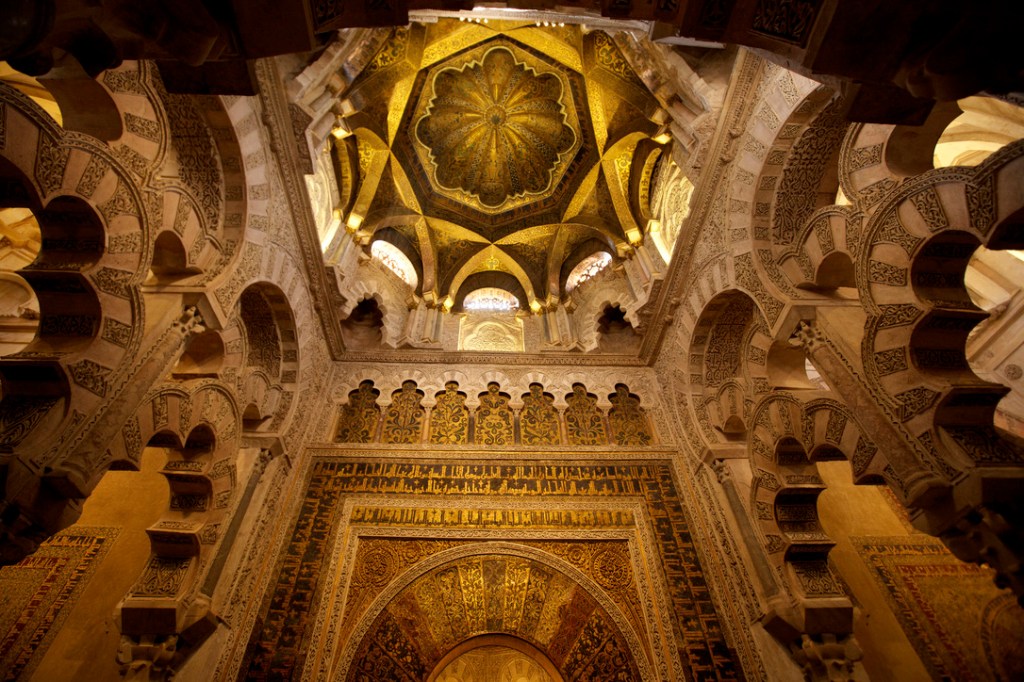
When Ferdinand III took Cordoba in 1236 from the Moors, who had been there since the occupation of AD711, his first act was to have the mosque ‘purified’ and consecrated as a place of Christian worship.
In 1523, Holy Roman Emperor Charles V gave the go-ahead to install a church, so out came 350-odd columns and in went the builders to start work on the Cathedral of Our Lady of the Assumption.
For nearly 800 years, Muslims have been banned from praying there, and security guards today intervene if they try, though Franco made an exception for Saddam Hussein when he visited in 1974.
The ultra-conservative Catholic dictator, who died 50 years ago last month, resented the cathedral being eclipsed by the most magnificent example of Islamic religious architecture in the Western world.
In 1972, he proposed a plan backed by Saudi Arabian money to remove the cathedral brick by brick and rebuild it elsewhere in Spain, but the archbishop told him to catch himself on, and both buildings remain in a bizarre yet beautiful co-existence.
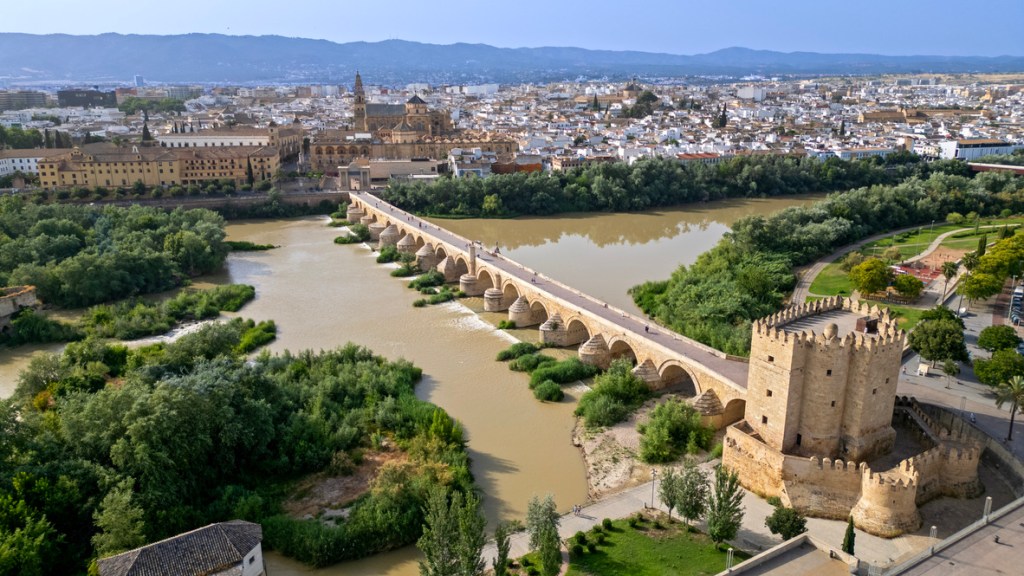
While the producers of Game of Thrones were refused permission to film in the mosque, fans of the show will recognise the nearby 2,000-year-old Roman bridge across the Guadalquivir river as the Long Bridge of Volantis.
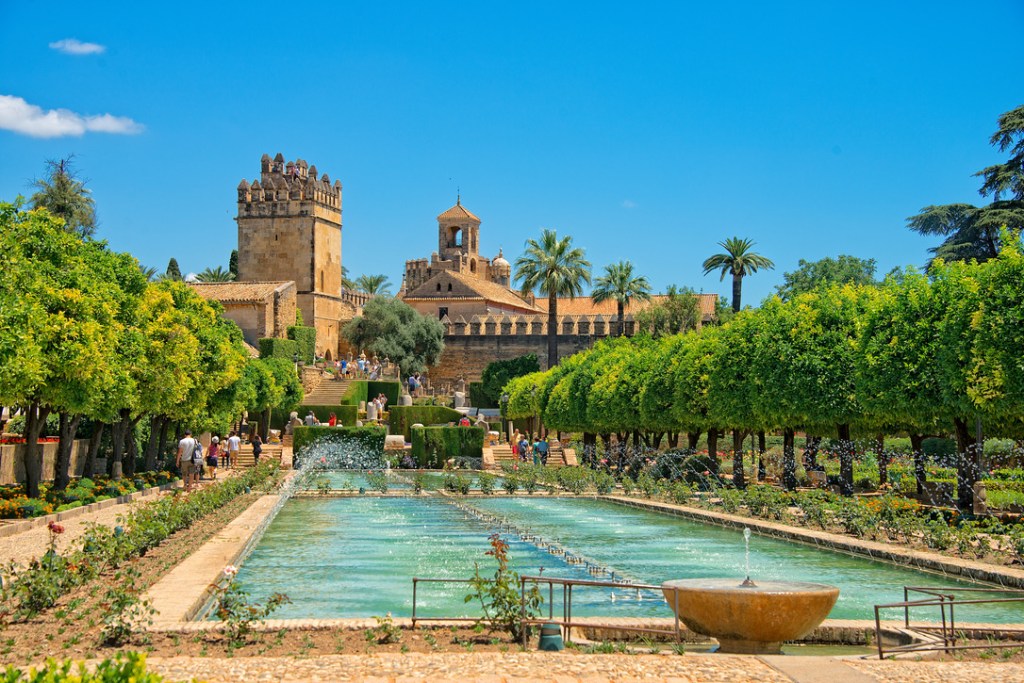
The 14th-century Real Alcazar (royal castle), with its courtyards, exquisite interiors and pools full of giant carp, was favoured as a location for the Water Gardens of Dorne, but logistics ruled it out and the scenes were shot instead in Seville.
Once the headquarters of the Inquisition, the Alcazar is the backdrop of choice for enviable wedding photos, if only those pesky Instagram influencers would get out of the bleedin’ way for two seconds.
It was here in 1487 that Columbus sought patronage from the Catholic monarchs Ferdinand and Isabella for his voyage of discovery of 1492, and the occasion is commemorated with a giant sculpture of all three in the gardens.
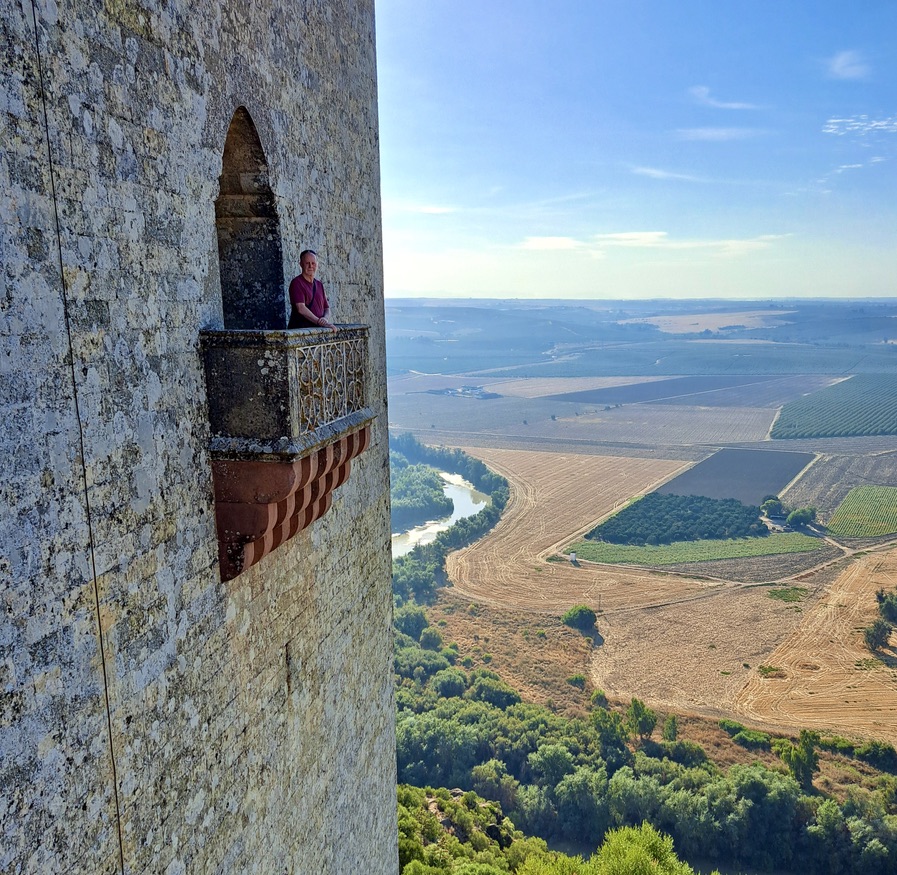
Twenty kilometres west of Cordoba, another Game of Thrones setting, the eighth-century hilltop castle of Almodovar del Rio, attracts busloads of devotees year round, though they know it as the fortress of Highgarden, seat of the house of Tyrell.
It’s worth climbing the tallest tower for the views of the countryside, but the Thronies are there for only one thing – to get their picture taken on Lady Olenna’s balcony, which requires a head for heights.
A parachute would come in handy as well, because what you can’t see in the photo above of me gripping the edge is my pal gripping the back of my trouser belt with both hands. It’s a long way down.
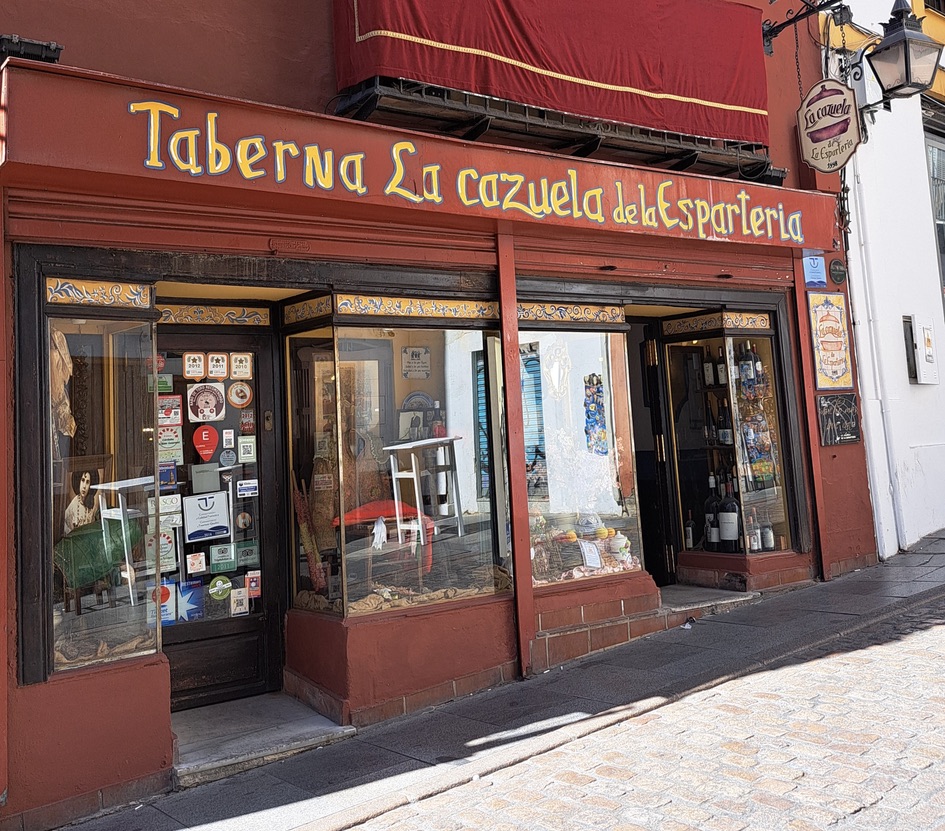
Back in the city, in Calle Rodriguez Marin in the old town, diners should loosen their belts a couple of notches before sitting down to eat in La Cazuela de la Esparteria, a tavern that serves generous portions of rustic dishes at reasonable prices.
From the outside, it looks like an antiques shop, with display windows full of uninteresting old tat, but one whiff of the aromas wafting from the kitchen and out the open door stops passers-by in their tracks and entices them in.
The menu is extensive, which in lesser establishments isn’t necessarily a good sign, but La Cazuela is always busy, so everything bought each morning from the market is cooked and served on the same day. It’s my favourite restaurant in Spain.
The nearby Corredera market, just off the splendid 17th-century rectangular plaza of the same name, is renowned for its fresh seafood, and some of the vendors who have hotplates charge a couple of euro to fry what customers buy.
That service is in greatest demand from June to October, when local people stand in line, slavering, as their lunch of four big fat sardines sizzles on the grill (while tinned ones are titchy, fresh ones are eight inches long).
Grilling of a gruesomely different kind was carried out in the plaza during the Inquisition, when crowds with a ghoulish taste in entertainment packed the place to see condemned heretics burnt at the stake. It was the hottest ticket in town.
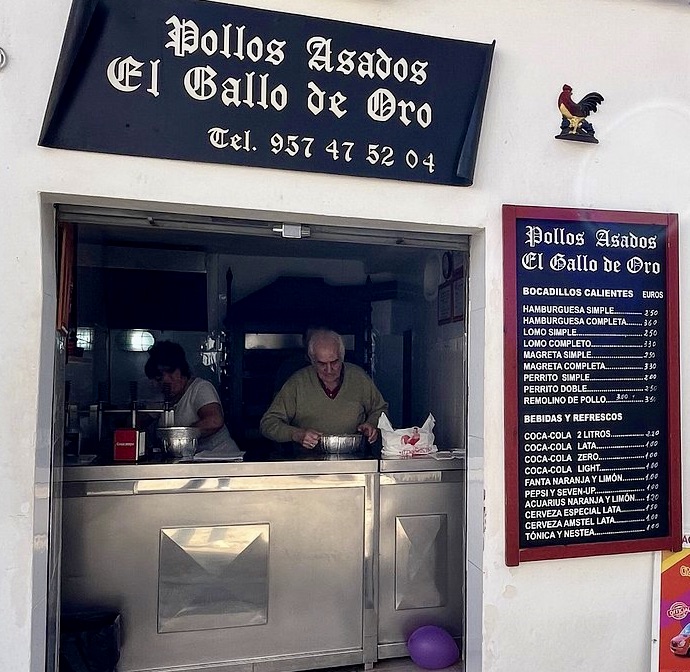
Day-trippers visiting Cordoba from Malaga or Seville who don’t have time for a typical two-hour lunch in La Cazuela can grab a succulent roast chicken half-baguette for €3.50 from El Gallo de Oro in Plaza de Abades, also in the old town.
It’s an unassuming little hole in the wall, but the queues are testament to the high regard in which the family-run “Golden Rooster”, which opens from 9.30am to 3pm, is held.
While chicken is the most popular filling, roast suckling pig is a big seller, and both come smothered in a tangy sauce made by owner Olga to a secret recipe that many top chefs would love to get their hands on.
Cordoban cuisine is so well-known and admired throughout Spain that people from Bilbao to Barcelona to Benalmadena can name the city’s three signature dishes, which are served in every self-respecting restaurant.
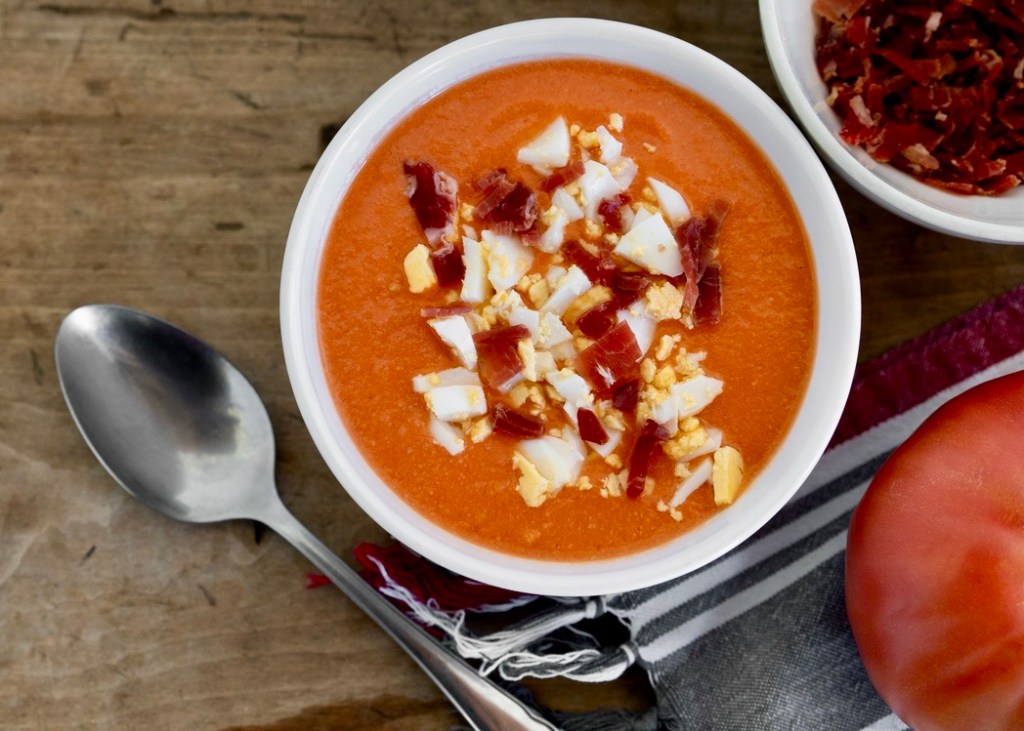
Chilled soup salmorejo is a creamier, thicker version of gazpacho, made from tomatoes, bread, extra virgin olive oil, vinegar and garlic, often with chopped hard-boiled egg and occasionally topped with small cubes or slivers of jamon serrano.
It’s a sensational starter, especially on a blisteringly hot day – afternoon temperatures of 40C are normal in August – but non-drinkers should have a word with the waiter before ordering it because some chefs use sherry instead of vinegar.
Flamenquin consists of slices of jamon placed on thinly pounded pork loin or veal, which is then rolled up, breaded and deep-fried until golden, giving it a crispy coating. It comes with a garlic mayonnaise dip, fries and salad.
And then there’s Cordoba’s gift to the gourmet, rabo de toro (oxtail). There are umpteen recipes, but it’s at its most delicious when simply slow-cooked in a clay pot with herbs, spices and red wine until the meat is nearly falling off the bone.
A few weeks ago, the city’s “Best Oxtail 2025” award went to the Rosales brothers’ Taberna La Viuda (The Widow), close to the Royal Stables, which surprised none of its legion of loyal customers.
In Cordoba, that’s like winning the Oscar for Best Picture, but while it’s the Academy that hands out the little gilded statues, the Rabo de Toro plaque is presented by the Oxtail Brotherhood, who sound like a motorcycle gang.
La Viuda is in the San Basilio neighbourhood, which for a fortnight every May attracts hundreds of thousands of visitors from all over the country and farther afield when it and other areas close to the mosque host the annual Patios Festival.
It’s the biggest civic celebration of the year, and rivalry is fierce as green-fingered homeowners vie to outdo each other in further adorning their ornately decorated courtyards with colourful displays of countless potted plants and flowers.
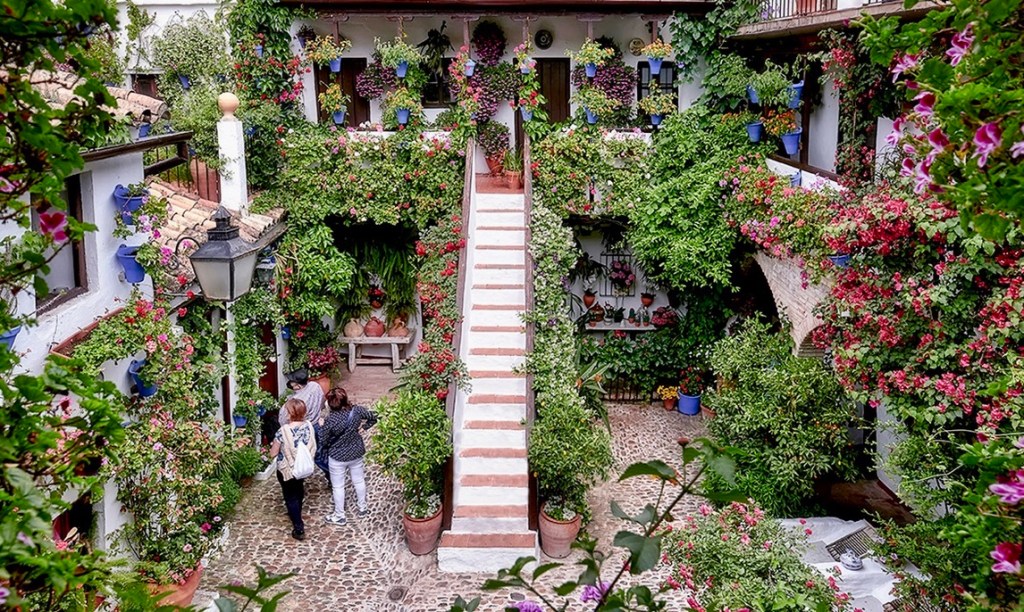
Fifty-odd patios filled with jasmine, honeysuckle, geraniums, carnations and roses, many with babbling fountains, wind chimes and songbirds, take part in the competition for a first prize of €3,000.
These beautiful spaces, which hay fever sufferers should avoid, are open to the public and admission is free, though the owners appreciate a donation of a few coins towards the upkeep of their pride and joy.
Some offer visitors a glass of chilled sherry, and that’s exactly how I like my grapes – squeezed, fermented, bottled and poured. That way, there’s less chance of choking, especially on New Year’s Eve.
GET THERE I was a guest of the Cordoba Tourism Board and Aer Lingus, which flies from Dublin to Seville and Malaga. Cordoba is only 50 minutes from both by high-speed train (300kmh).
STAY Hotel Mezquita Center is next to the train station and a 10-minute walk to the heart of the old town. See hotelescenter.es
VISIT To get to Almodovar del Rio/Highgarden, take the M-250 (Cordoba-Posadas) bus from the terminus, next to the train station.
For more information, see cordobaturismo.es and spain.info

 Tom Sweeney Travel Writer