Cordoba’s mane attraction

Once the biggest and most cultured city in Europe, Cordoba is home to a massive, magnificent mosque where Catholics celebrate mass, an equestrian spectacle that combines dressage and flamenco, and my favourite restaurant in Spain – and it’s only 50 minutes by high-speed train from Seville and Malaga
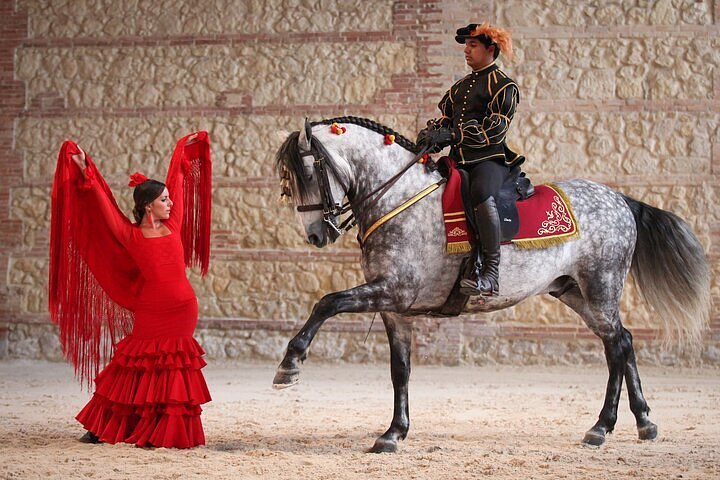
A flamenco dancer interacts with an Andalucian horse and rider during the spectacular equestrian show at the Royal Stables

Every New Year’s Eve, as thousands of people in Cordoba’s Plaza de las Tendillas count down the 10 seconds to midnight, all eyes are on the clock tower at the corner of Gondomar Street.

When the hands meet at the top of the dial, the first of 12 loud strums on a flamenco guitar echoes around the square, a deafening cheer goes up and paramedics skilled in the Heimlich manoeuvre prepare to spring into action.

To invite good luck for the year ahead, it’s traditional for Spaniards on this special night to munch and gulp down a dozen grapes, one with each bong of the town hall bell or, in Cordoba, with each strum.

That’s where the paramedics come in, because swallowing 12 grapes in as many seconds also invites the risk of a mishap.
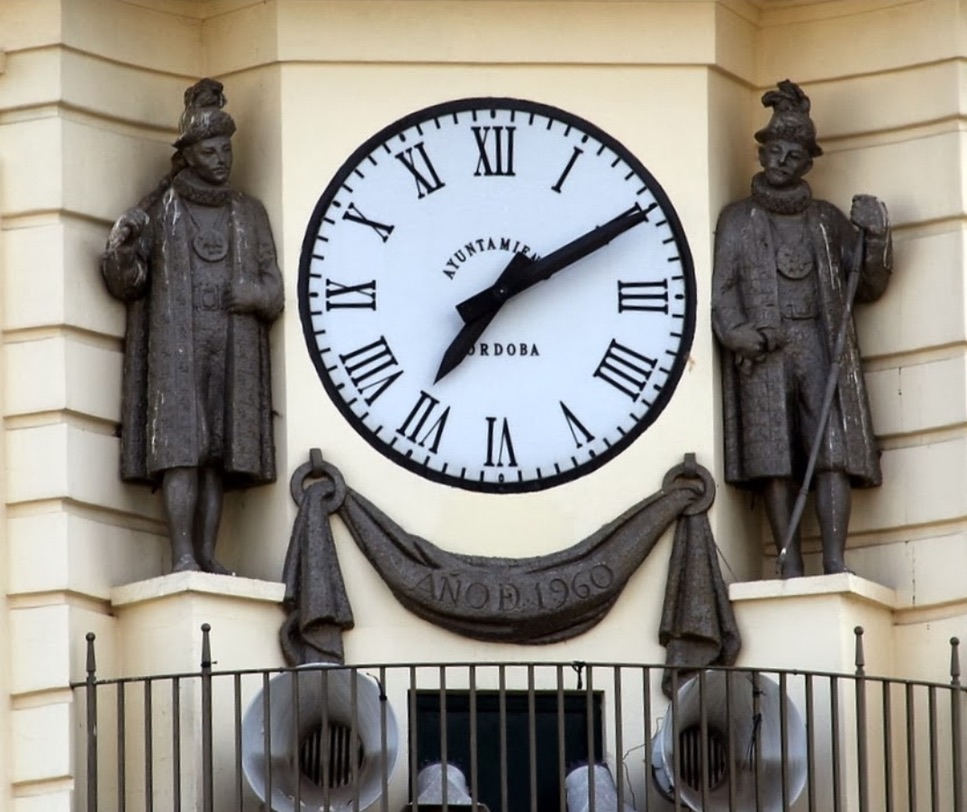
The clock in Plaza de las Tendillas doesn’t chime the time with bells, it does it with guitar strums

The strums, and some riffs, were recorded in 1959 by local guitar maestro Juan Serrano and first sounded from the Tendillas clock, which was installed as an advertising gimmick by washing-machine maker Philips, on January 29, 1961.

They’ve been marking every hour and quarter-hour since, without fail.

When Serrano, who’s 91 and a long-time resident of Florida, released his US debut album Olé, la mano! in 1962, the New York Times critic wrote: “He has 10 dexterous fingers that sound like 20. He is a lyric sentimentalist who can make the strings cry.”

Flamenco always brings tears to my eyes as I’m easily moved, and it’s an integral part of the evening equestrian shows at Cordoba’s Royal Stables, which were built in 1570 by Felipe II to breed that most noble of animals, the Andalucian horse.

Each performance is a 70-minute spectacle of dressage and music, in which a female dancer interacts at scarily close quarters with the riders and their prancing half-tonne mounts.

I first saw the show about 10 years ago, though I’ve been a regular visitor to Cordoba since the mid-1980s. Each time I return, I make a point of buying a ringside seat – it’s an experience tourists would be mad to miss.
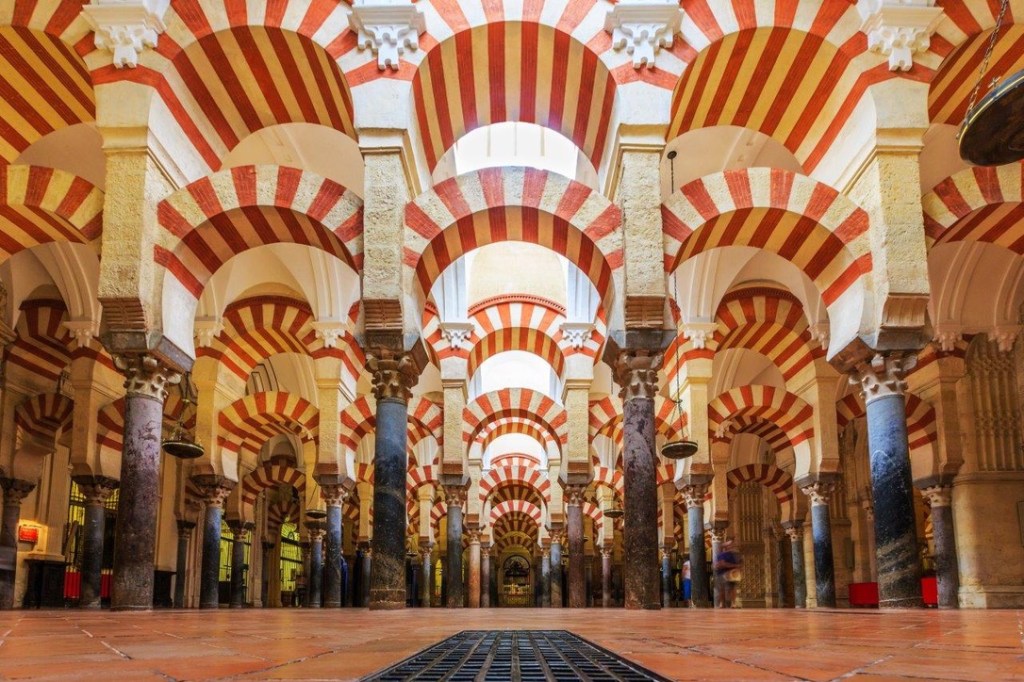
A small section of the vast forest of stone columns and horseshoe arches in the Mosque-Cathedral

You could call it the city’s mane attraction, but the number-one draw, with more than two million visitors every year, is the only place in the world where Catholic mass is celebrated in a cathedral hidden in the middle of a massive mosque.

Construction of the Great Mosque of Cordoba began in AD785. When it was completed 203 years later, the city was the biggest and most culturally advanced in Europe, with half-a-million inhabitants. The population today is 325,000.

From the narrow streets that surround it, the Mezquita-Catedral is impressive only by its size – it’s a big, unlovely lump of a building enclosed by high walls; but step inside and you’ll immediately see why it’s considered a marvel of the medieval world.

A forest of stone columns topped with two tiers of red and white striped horseshoe arches stretches as far as the eye can see. The effect is dizzying, like the reflections in a fairground hall of mirrors that appear to go on to infinity.

Most of the 856 existing columns (there were originally 1,200) of marble, granite and onyx came from Roman and Visigothic ruins and are hundreds of years older than the structure itself – an early example of recycling on a grand scale.
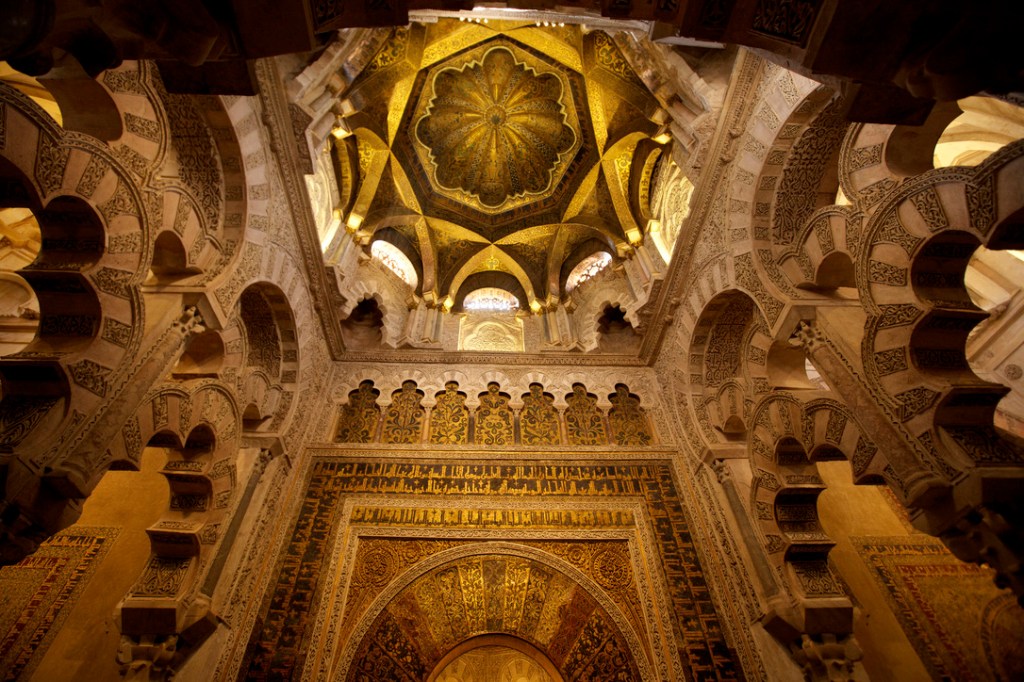
Interior of the Mosque-Cathedral dome

When Ferdinand III took Cordoba in 1236 from the Moors, who had been there since the occupation of AD711, his first act was to have the mosque ‘purified’ and consecrated as a place of Christian worship.

In 1523, Holy Roman Emperor Charles V gave the go-ahead to install a church, so out came 350-odd columns and in went the builders to start work on the Cathedral of Our Lady of the Assumption.

For nearly 800 years, Muslims have been banned from praying there, and security guards today intervene if they try, though Franco made an exception for Saddam Hussein when he visited in 1974.

The ultra-conservative Catholic dictator, who died 50 years ago last month, resented the cathedral being eclipsed by the most magnificent example of Islamic religious architecture in the Western world.

In 1972, he proposed a plan backed by Saudi Arabian money to remove the cathedral brick by brick and rebuild it elsewhere in Spain, but the archbishop told him to catch himself on, and both buildings remain in a bizarre yet beautiful co-existence.
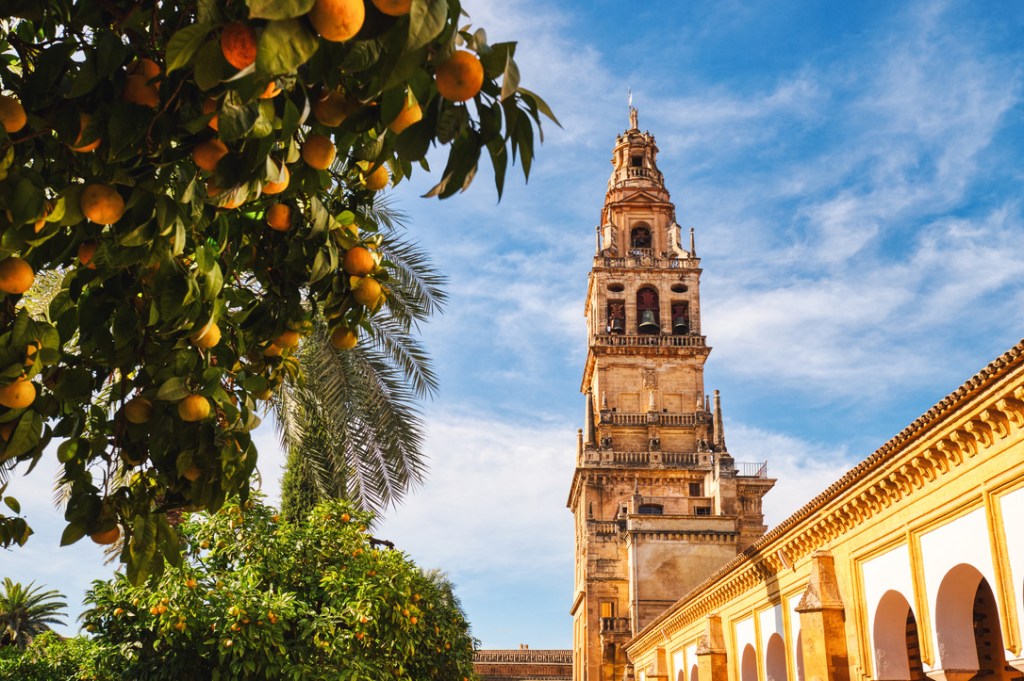
The Mosque-Cathedral bell tower was originally the minaret
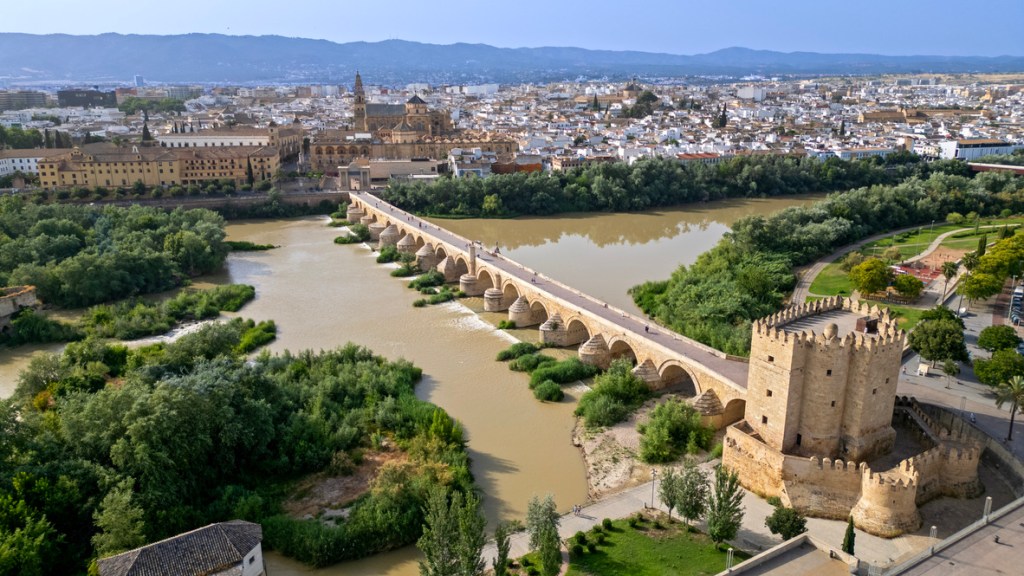
Roman bridge and La Calahorra tower

While the producers of Game of Thrones were refused permission to film in the mosque, fans of the show will recognise the nearby 2,000-year-old Roman bridge across the Guadalquivir river as the Long Bridge of Volantis.

The 14th-century Real Alcazar (royal castle), with its courtyards, exquisite interiors and pools full of giant carp, was favoured as a location for the Water Gardens of Dorne, but logistics ruled it out and the scenes were shot instead in Seville.

Once the headquarters of the Inquisition, the Alcazar is the backdrop of choice for enviable wedding photos, if only those pesky Instagram influencers would get out of the bleedin’ way for two seconds.

It was here in 1487 that Columbus sought patronage from the Catholic monarchs Ferdinand and Isabella for his voyage of discovery of 1492, and the occasion is commemorated with a giant sculpture of all three in the gardens.
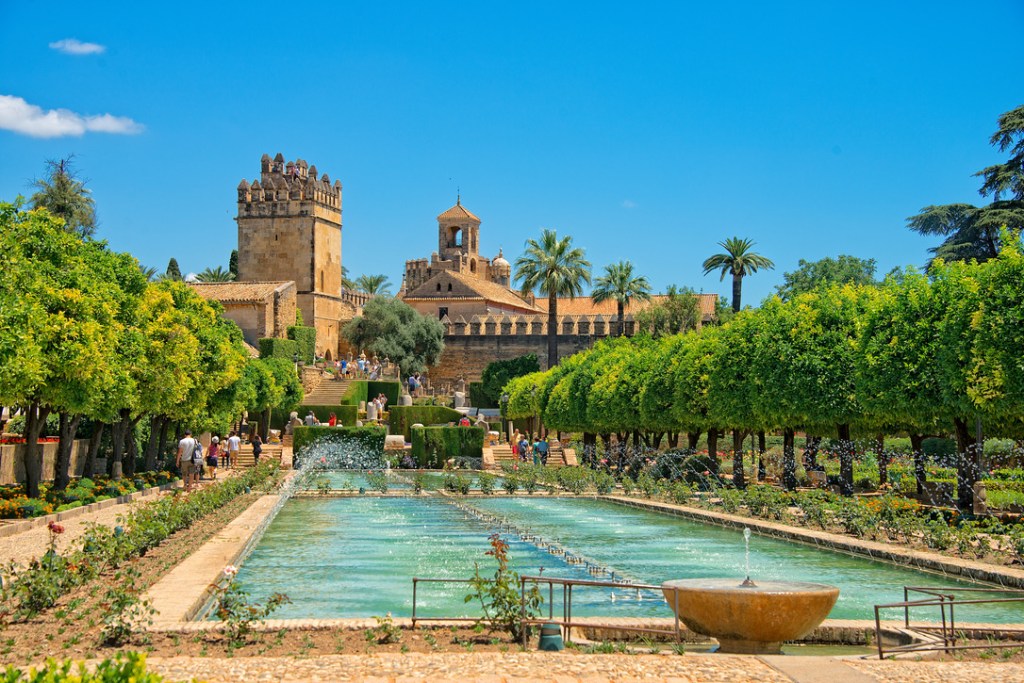
Real Alcazar and gardens

Twenty kilometres west of Cordoba, another Game of Thrones setting, the eighth-century hilltop castle of Almodovar del Rio, attracts busloads of devotees year round, though they know it as the fortress of Highgarden, seat of the house of Tyrell.

It’s worth climbing the tallest tower for the views of the countryside, but the Thronies are there for only one thing – to get their picture taken on Lady Olenna’s balcony, which requires a head for heights.

A parachute would come in handy as well, because what you can’t see in the photo above of me gripping the edge is my pal gripping the back of my trouser belt with both hands. It’s a long way down.
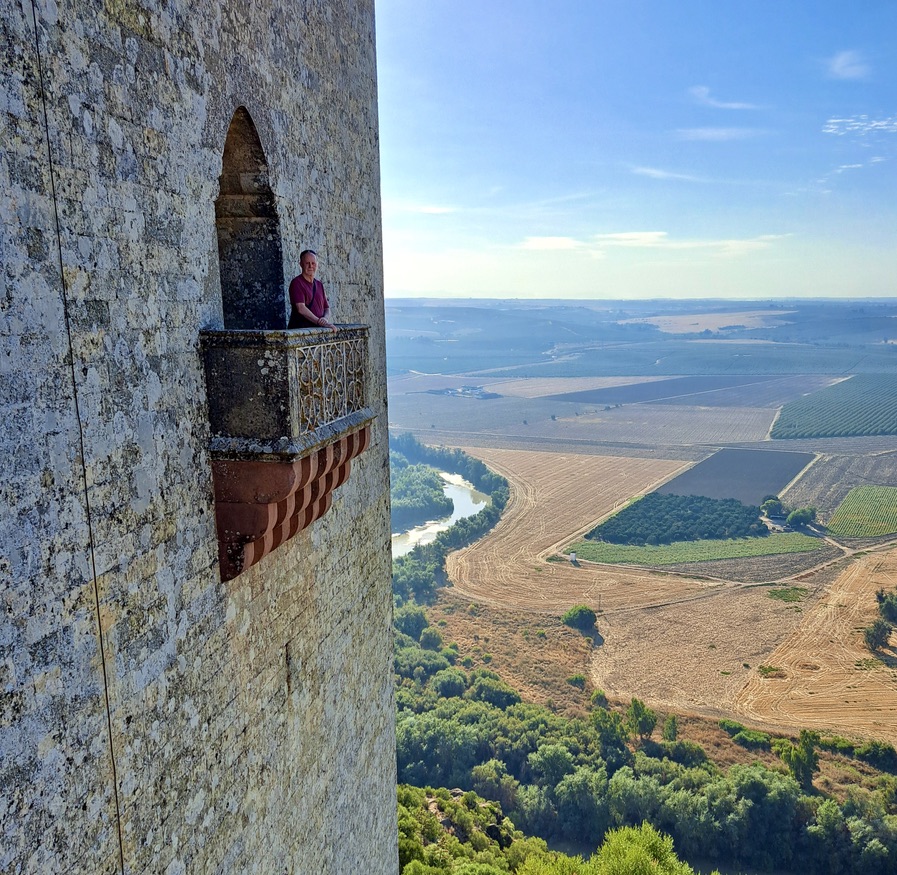
Lady Olenna’s balcony in the castle of Almodovar del Rio, better known to Game of Thrones fans as Highgarden

Back in the city, in Calle Rodriguez Marin in the old town, diners should loosen their belts a couple of notches before sitting down to eat in La Cazuela de la Esparteria, a tavern that serves generous portions of rustic dishes at reasonable prices.

From the outside, it looks like an antiques shop, with display windows full of uninteresting old tat, but one whiff of the aromas wafting from the kitchen and out the open door stops passers-by in their tracks and entices them in.

The menu is extensive, which in lesser establishments isn’t necessarily a good sign, but La Cazuela is always busy, so everything bought each morning from the market is cooked and served on the same day. It’s my favourite restaurant in Spain.
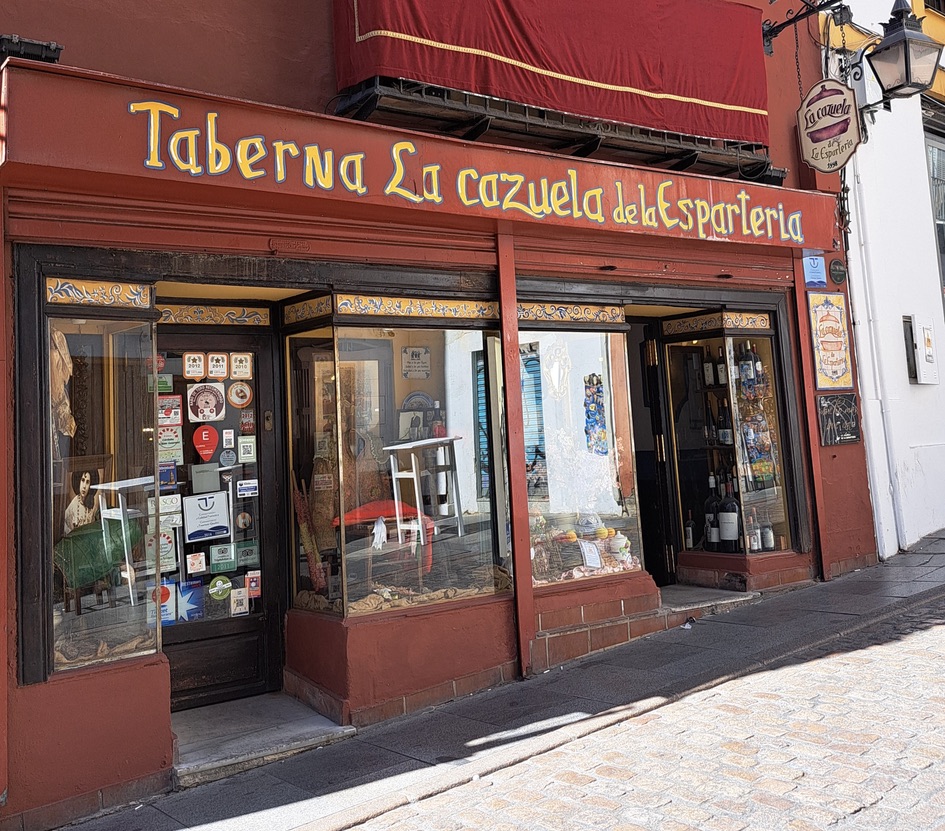
My favourite restaurant in Spain, La Cazuela de la Esparteria

The nearby Corredera market, just off the splendid 17th-century rectangular plaza of the same name, is renowned for its fresh seafood, and some of the vendors who have hotplates charge a couple of euro to fry what customers buy.

That service is in greatest demand from June to October, when local people stand in line, slavering, as their lunch of four big fat sardines sizzles on the grill (while tinned ones are titchy, fresh ones are eight inches long).

Grilling of a gruesomely different kind was carried out in the plaza during the Inquisition, when crowds with a ghoulish taste in entertainment packed the place to see condemned heretics burnt at the stake. It was the hottest ticket in town.

Day-trippers visiting Cordoba from Malaga or Seville who don’t have time for a typical two-hour lunch in La Cazuela can grab a succulent roast chicken half-baguette for €3.50 from El Gallo de Oro in Plaza de Abades, also in the old town.

It’s an unassuming little hole in the wall, but the queues are testament to the high regard in which the family-run “Golden Rooster”, which opens from 9.30am to 3pm, is held.

While chicken is the most popular filling, roast suckling pig is a big seller, and both come smothered in a tangy sauce made by owner Olga to a secret recipe that many top chefs would love to get their hands on.
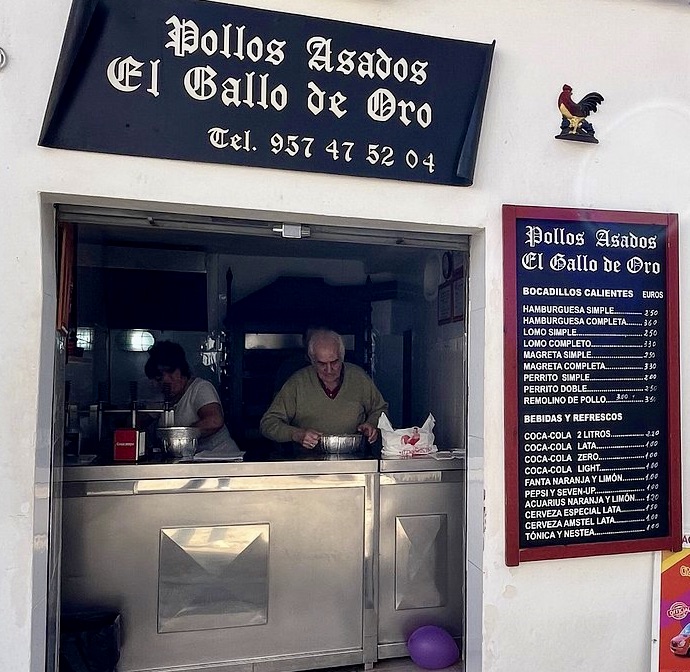
El Gallo de Oro serves the most succulent roast chicken and suckling pig sandwiches

Cordoban cuisine is so well-known and admired throughout Spain that people from Bilbao to Barcelona to Benalmadena can name the city’s three signature dishes, which are served in every self-respecting restaurant.

Chilled soup salmorejo is a creamier, thicker version of gazpacho, made from tomatoes, bread, extra virgin olive oil, vinegar and garlic, often with chopped hard-boiled egg and occasionally topped with small cubes or slivers of jamon serrano.

It’s a sensational starter, especially on a blisteringly hot day – afternoon temperatures of 40C are normal in August – but non-drinkers should have a word with the waiter before ordering it because some chefs use sherry instead of vinegar.

Flamenquin consists of slices of jamon placed on thinly pounded pork loin or veal, which is then rolled up, breaded and deep-fried until golden, giving it a crispy coating. It comes with a garlic mayonnaise dip, fries and salad.
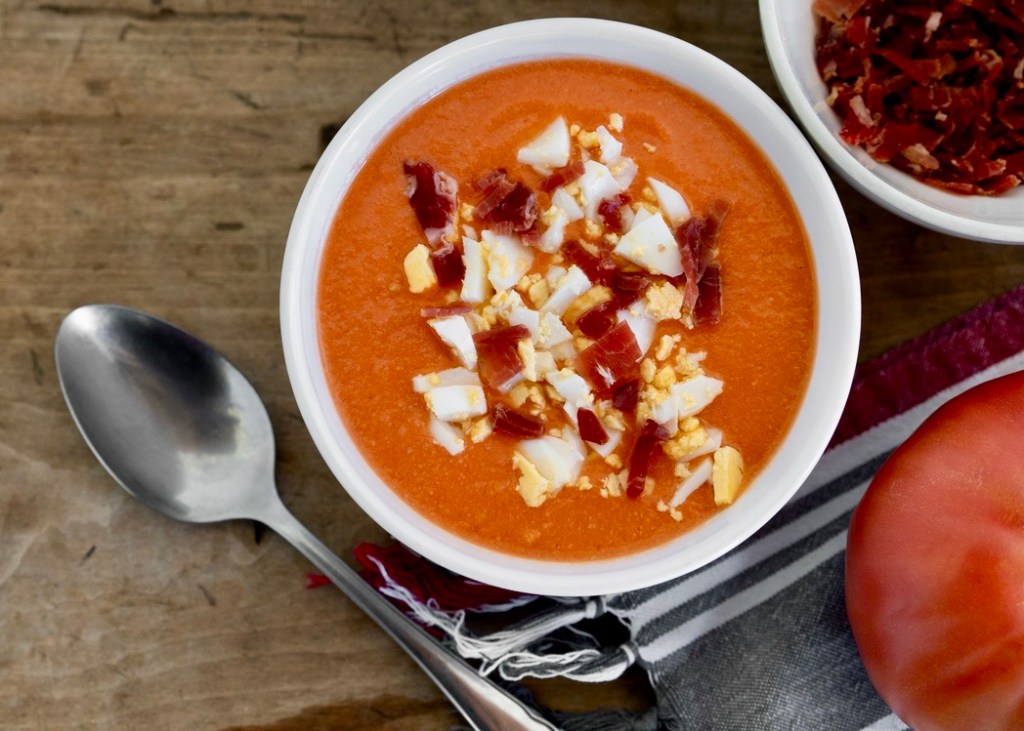
Chilled soup salmorejo is usually served with chopped boiled eggs and serrano ham

And then there’s Cordoba’s gift to the gourmet, rabo de toro (oxtail). There are umpteen recipes, but it’s at its most delicious when simply slow-cooked in a clay pot with herbs, spices and red wine until the meat is nearly falling off the bone.

A few weeks ago, the city’s “Best Oxtail 2025” award went to the Rosales brothers’ Taberna La Viuda (The Widow), close to the Royal Stables, which surprised none of its legion of loyal customers.

In Cordoba, that’s like winning the Oscar for Best Picture, but while it’s the Academy that hands out the little gilded statues, the Rabo de Toro plaque is presented by the Oxtail Brotherhood, who sound like a motorcycle gang.

La Viuda is in the San Basilio neighbourhood, which for a fortnight every May attracts hundreds of thousands of visitors from all over the country and farther afield when it and other areas close to the mosque host the annual Patios Festival.

It’s the biggest civic celebration of the year, and rivalry is fierce as green-fingered homeowners vie to outdo each other in further adorning their ornately decorated courtyards with colourful displays of countless potted plants and flowers.
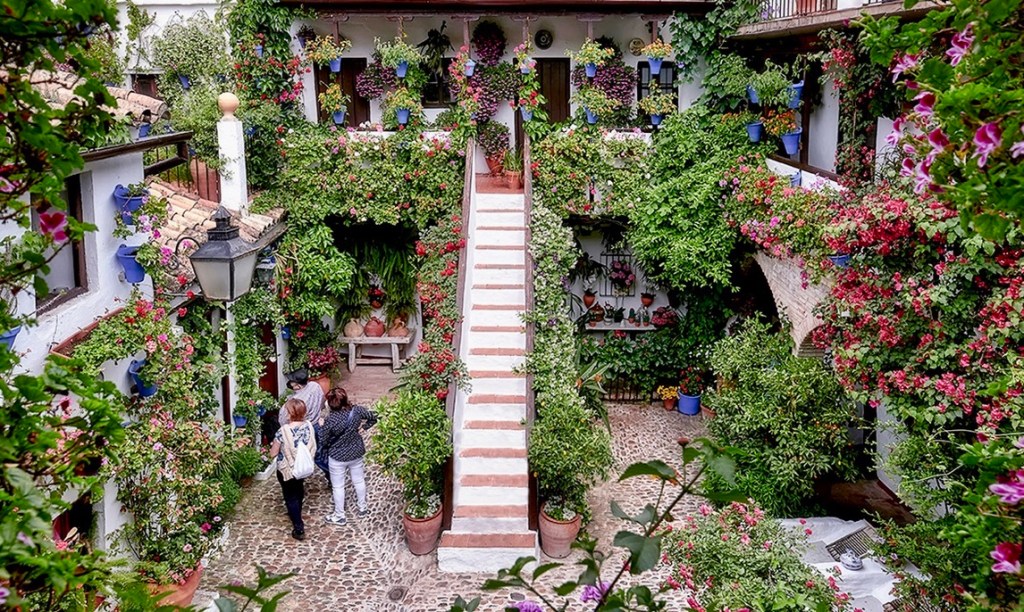
One of Cordoba’s flower-filled patios in full bloom

Fifty-odd patios filled with jasmine, honeysuckle, geraniums, carnations and roses, many with babbling fountains, wind chimes and songbirds, take part in the competition for a first prize of €3,000.

These beautiful spaces, which hay fever sufferers should avoid, are open to the public and admission is free, though the owners appreciate a donation of a few coins towards the upkeep of their pride and joy.

Some offer visitors a glass of chilled sherry, and that’s exactly how I like my grapes – squeezed, fermented, bottled and poured. That way, there’s less chance of choking, especially on New Year’s Eve.

GET THERE I was a guest of the Cordoba Tourism Board and Aer Lingus, which flies from Dublin to Seville and Malaga. Cordoba is only 50 minutes from both by high-speed train (300kmh).

STAY Hotel Mezquita Center is next to the train station and a 10-minute walk to the heart of the old town. See hotelescenter.es

VISIT To get to Almodovar del Rio/Highgarden, take the M-250 (Cordoba-Posadas) bus from the terminus, next to the train station.

For more information, see cordobaturismo.es and spain.info
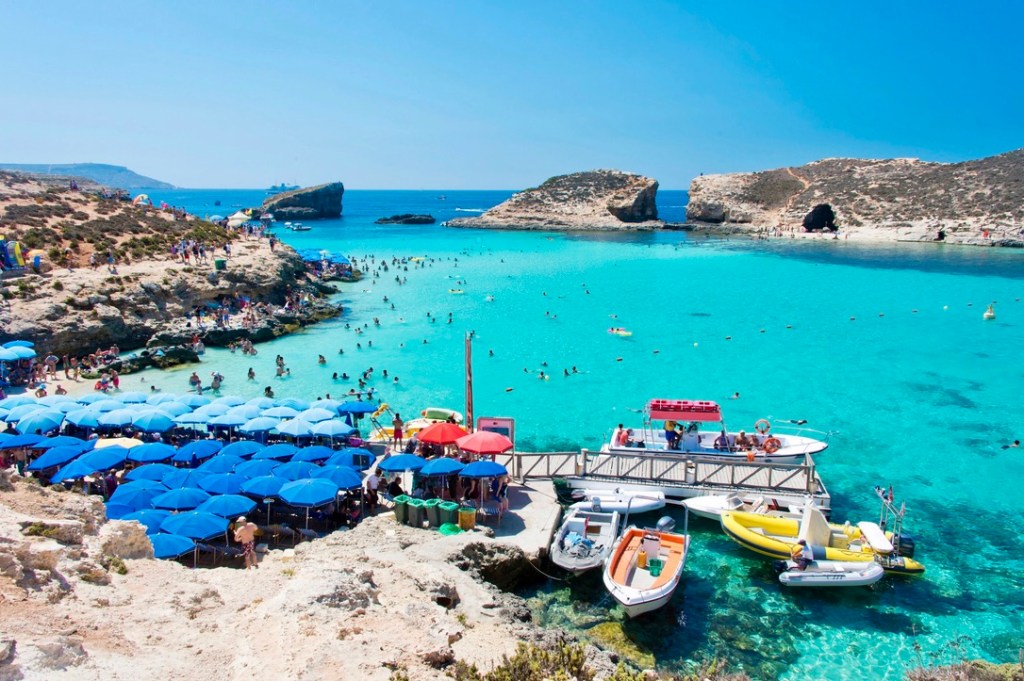
Malta, the tiny island that promises fun in the sun for all ages

Far from being the pensioners’ paradise many people believe them to be, the sun-kissed and fun-packed Maltese islands are popular with everyone from toddlers to former Taoiseach Bertie Ahern

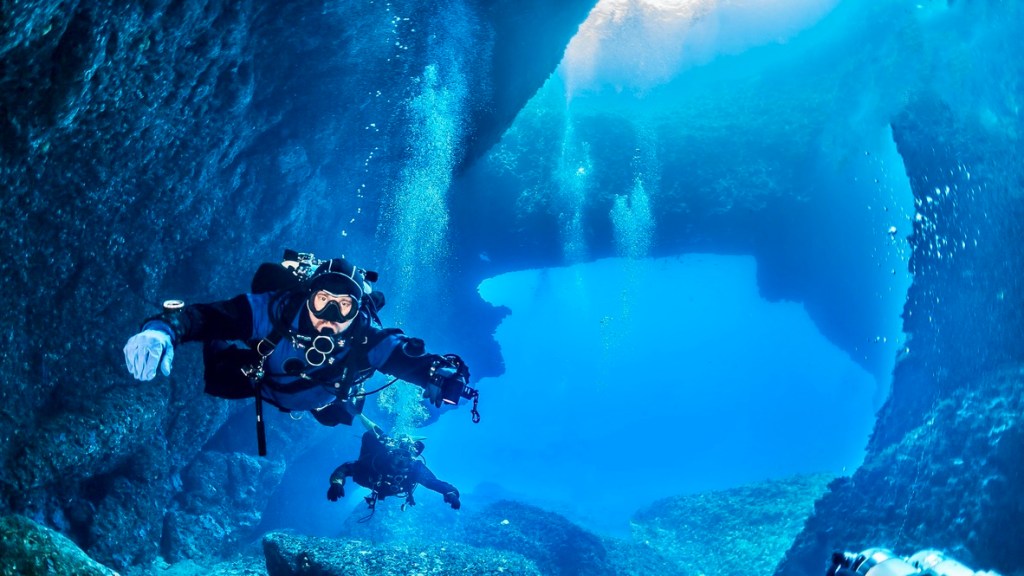
The Blue Lagoon on the island of Comino is a popular swimming and scuba diving spot

When Ireland beat Malta 2-0 in the Ta’ Qali Stadium on November 15, 1989 to qualify for the 1990 World Cup finals in Italy, the 5,000-strong Green Army celebrated by drinking the island dry.

Tour guide Darrell Azzopardi, who was in his 20s at the time and attended the match, has bitter-sweet memories of the all-night hooley that resulted in many fans missing their flights home.

“Losing 2-0 wasn’t a huge shock, and we were happy to party with our Irish friends afterwards,” he said. “The Maltese are very fond of the Irish, they’re such good fun. But the next day, when reality sunk in, we were upset that we couldn’t cry into our beer – they’d drunk it all.”

Fortunately, bars and restaurants have since restocked, and a pint of top-selling Cisk lager can be had for as little as €3.50.

The Dubliner in St Julian’s, where the prices are right and the pub grub is great

A few weeks ago in The Dubliner, looking out on Spinola Bay in St Julian’s, I paid just €13.40 for two pints and a Gordon’s gin and tonic, served with a smile by Stacey, from Finglas, Dublin. At those prices, which are common throughout Malta and neighbouring Gozo, she wasn’t the only one smiling.

“I came on holiday, fell in love with the place and decided this is where I wanted to live,” said Stacey. “I’m here 11 years now. It’s fantastic. I wouldn’t want to be anywhere else.”

There are those who wouldn’t want to spend their summer fortnight anywhere else, which explains the high number of year-after-year repeat visitors. They’d be quick to tell you Malta is a family-friendly destination and not the “pensioners’ paradise” that people who haven’t been there believe it to be.

The Maltese capital Valletta, viewed from a sightseeing boat in the Grand Harbour
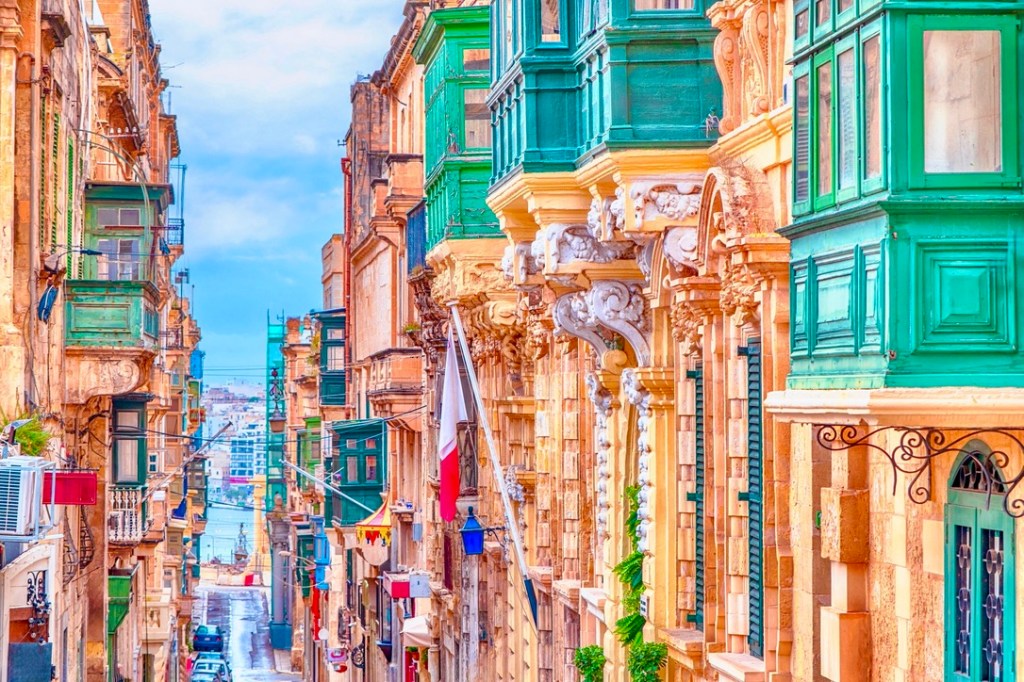
Ornate and colourful balconies are a feature of Valletta’s centuries-old streets

Bertie Ahern is a pensioner, and at 71 was easily the oldest person on my early morning Ryanair flight from Dublin to Valletta. The youngest was a baby screaming blue murder two rows behind the former Taoiseach, who’s probably dropping heavy hints to his grandkids about noise-cancelling headphones for his birthday in September.

Most passengers, however, were aged from their mid-20s to 50s, and many had small or teenage children with them – the Maltese islands have attractions and activities galore for all ages.

There are four flights a week from Dublin and two from Shannon, and next month a lot of the seats will be occupied by hip young things heading to Europe’s biggest free music festival, Isle of MTV (July 18-23, isleofmtv.com), which will be headlined this year by US pop rock outfit OneRepublic.

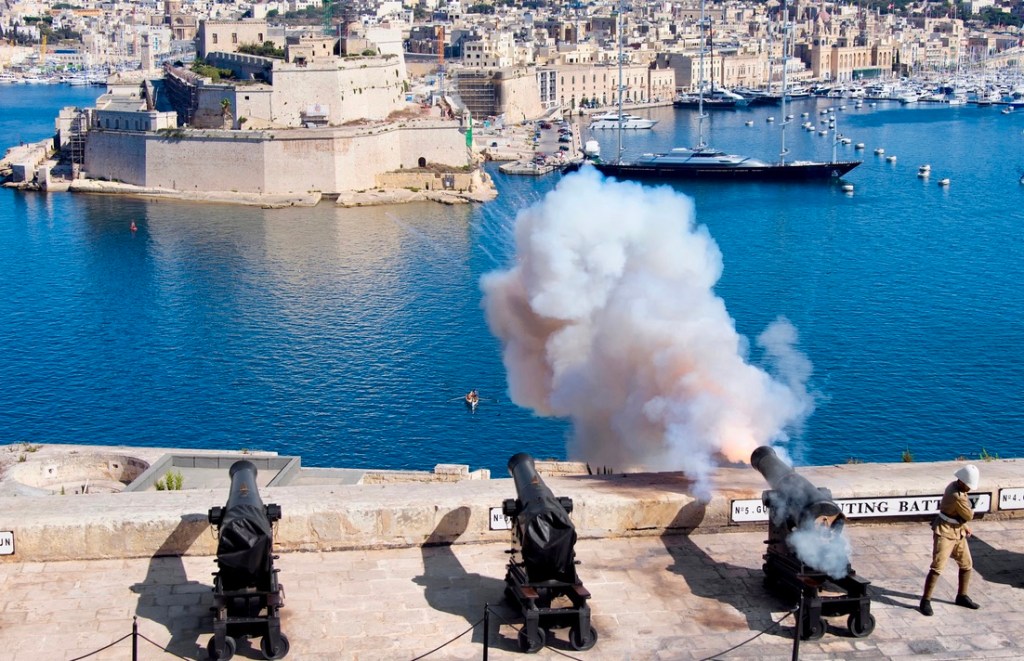
Midday firing of the ceremonial cannon just below Valletta’s Upper Barrakka Gardens
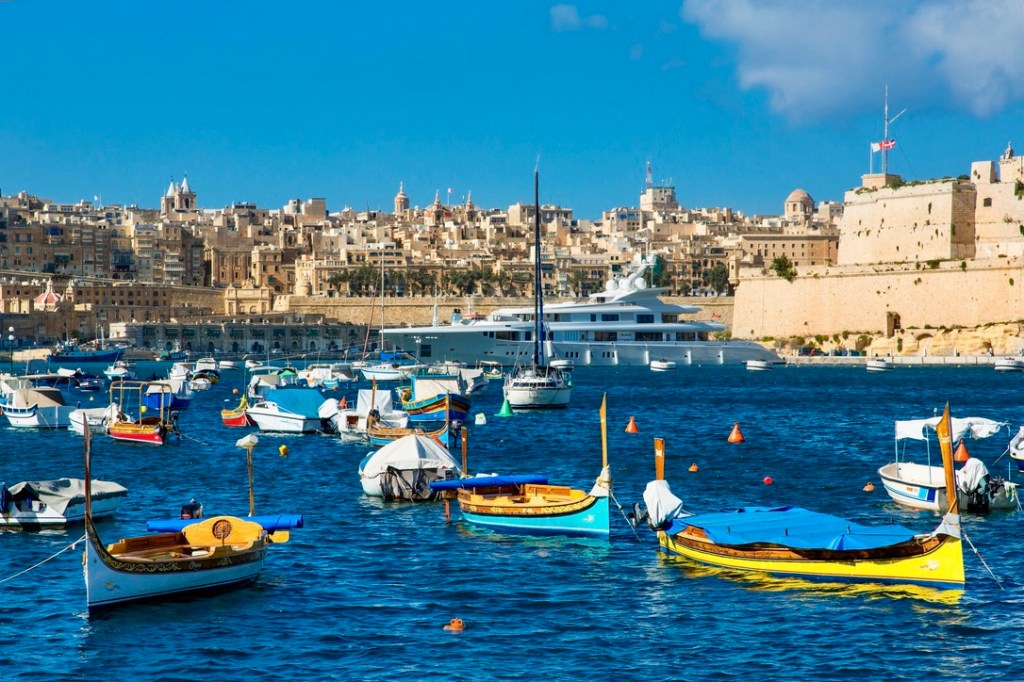
Skyline of the Three Cities of Vittoriosa, Senglea and Cospicua from the sea on a sunny afternoon in May

Being creatures of the night, it’s unlikely the music lovers will be up and about to video the ceremonial firing of the cannons from the 16th-century Saluting Battery just below Valletta’s Upper Barrakka Gardens.

It’s a twice-daily event, at noon and 4pm, and makes one hell of a racket, but the views from the gardens across the Grand Harbour to Fort St Angelo and the Three Cities of Vittoriosa, Senglea and Cospicua are well worth the assault on the eardrums.

Festival-goers tend to get by on burgers, which is their loss, because Maltese cuisine, heavily influenced by nearby Sicily with a dash of north Africa to spice things up, is a treat for the taste buds.

Among the traditional dishes holidaymakers should try are pastizzi (little puff pastry snacks filled with ricotta cheese or mushy peas), aljotta (fish stew), spinach and tuna pie, spaghetti with sea urchins and baked stuffed aubergines.

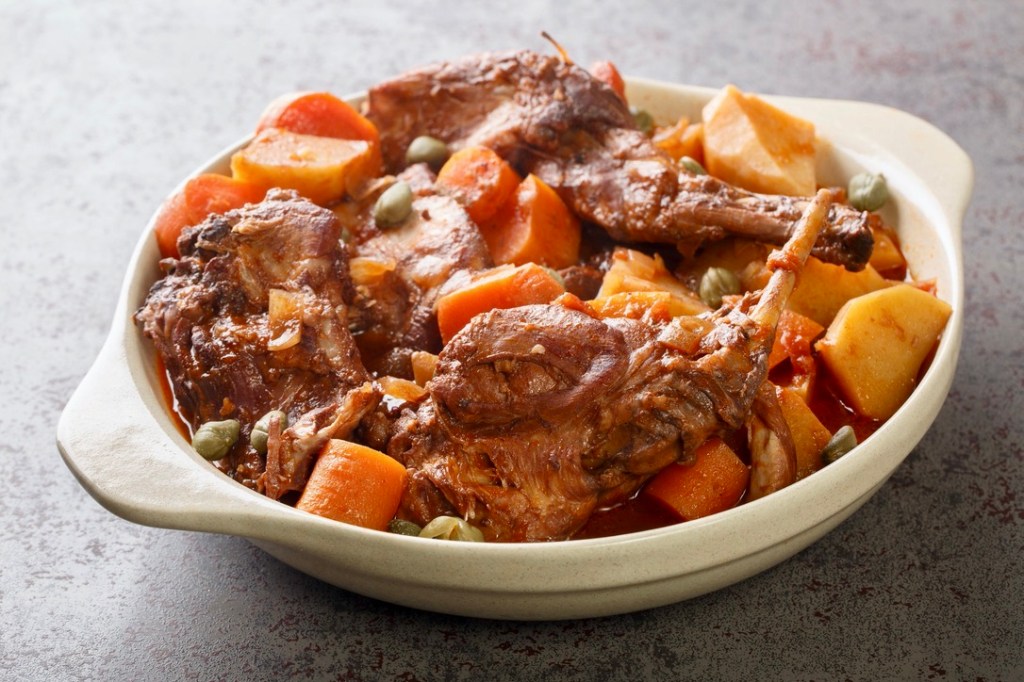
Tuck into a bowl of rabbit stew, stuffat tal-fenek, which is available in most restaurants

Rabbit features on just about every menu (sneaky parents tell their little ones it’s chicken) and comes either fried with spaghetti or in a hearty stew, stuffat tal-fenek, with red wine and garlic sauce. 

Punters who have never visited the payout window in a Paddy Power shop can get their own back by tucking into horse pie at Nenu the Artisan Baker in Valletta’s St Dominic Street. The high-protein meat is slow-cooked overnight in Red Rum – sorry, red wine – and tastes like braised steak.

Local soft drink Kinnie, which has a bitter orange flavour, is to Malta what McDaid’s Football Special is to Donegal.

Years ago, a Maltese waiter named Joe who worked in the Europa Hotel in Belfast looked forward with great excitement to visits from his relatives back home. He was happy to see them, of course, but happier still that they always brought a dozen bottles of Kinnie, which he would ration until the next time they came.

Joe said it was the one thing above all others that reminded him of his childhood (it reminds me of cough medicine, but don’t knock it until you’ve tried it).

Scuba diving in the Blue Lagoon off Comino

At a mere 27km by 14km, Malta is minuscule. When you include Gozo and the even tinier Comino (population: two), whose Blue Lagoon is a popular swimming and scuba diving spot, the islands would fit three times into Co Dublin.

The Maltese all speak English, use the euro and three-pronged plugs like ours and drive on the same side of the road as in Ireland, so hiring a car to get around is stress-free if you avoid peak hours, which would try the patience of a saint.

Take Paul, for example, who was shipwrecked off what is now the touristy St Paul’s Bay in 60AD. He was being taken to Rome to be tried as a political upstart, but a storm washed the boat on to rocks. All 270 people on board managed to get to shore, and were treated well by the hospitable islanders.

Paul introduced Christianity to Malta, which is 85pc Catholic (Ireland is 69pc) and has 365 churches – one for every day of a non-leap year, so there’s no excuse for missing mass. When he eventually got to Rome and was hauled up before Nero in 68AD, he was found guilty and put to death, but at least he has a holiday resort named after him, which is more than the nutty emperor can say.

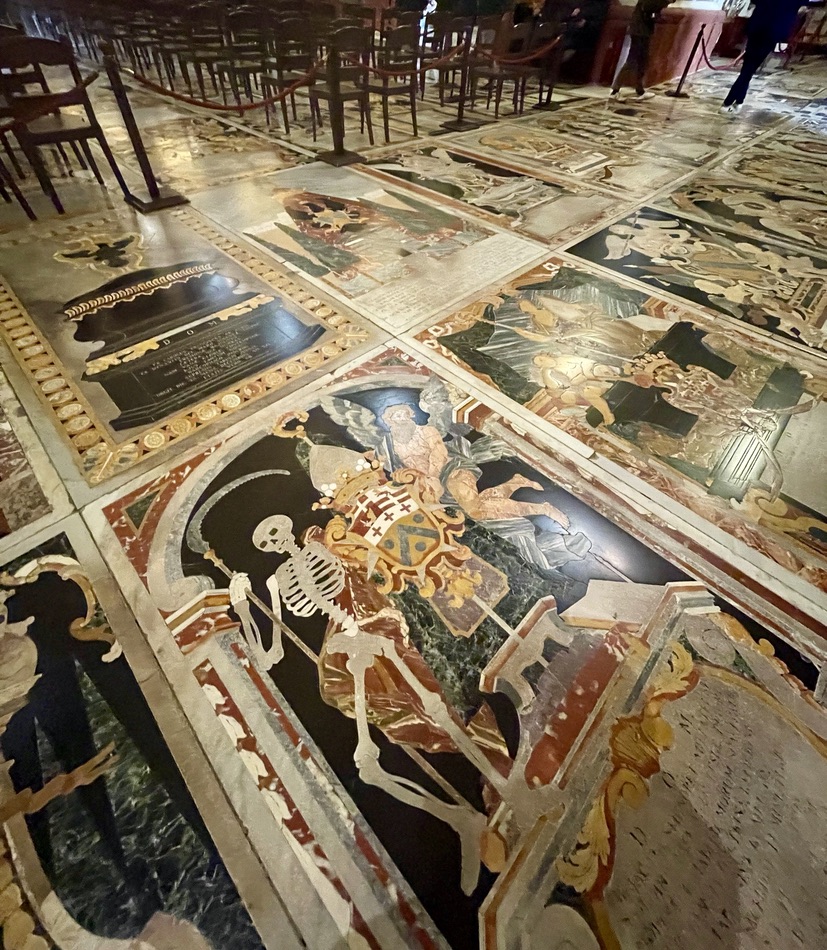
Tombstones of the Knights of Malta cover the floor in Valletta’s St John’s Co-Cathedral
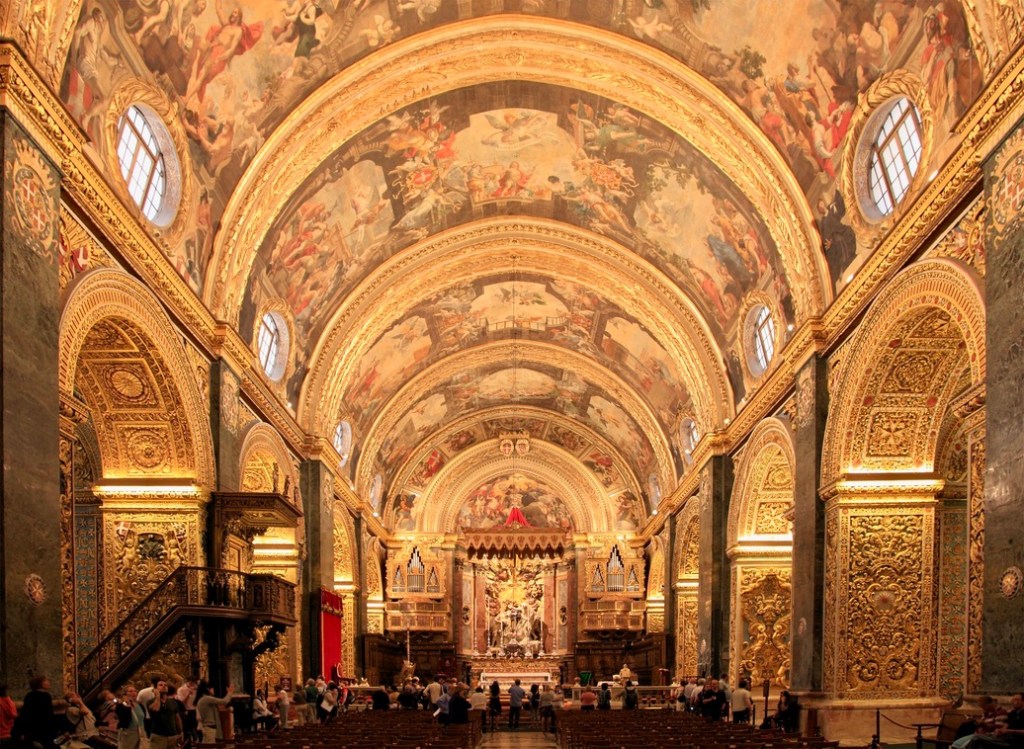
The magnificent interior of St John’s Co-Cathedral, Valletta’s top visitor attraction

St Julian’s, where I stayed at the Marriott Hotel and Spa, is named after the fourth-century patron of fiddlers, circus clowns and murderers, so an eclectic clientele.

Julian died of natural causes, unlike his parents – he killed them in their bed, thinking they were his wife and a lover – and John the Baptist, whose beheading is depicted in Caravaggio’s massive masterpiece in St John’s Co-Cathedral in Valletta.

The cathedral, built by the military and charitable Order of the Knights of St John (also known as the Knights of Malta) and completed in 1577, is perhaps the most magnificently adorned place of worship in all of Christendom and an absolute must-see. For those who are superstitious about stepping on graves, a visit could pose a problem – the entire floor is covered with nearly 400 ornate marble tombstones commemorating knights and officers.

The remarkable story of the order and the history of often-besieged and bombarded Valletta and of the islands as a whole is told in author Nicholas Monsarrat’s The Kappillan of Malta.

This wonderful work of fiction that’s also packed full of fascinating facts is my all-time favourite novel and I can’t recommend it highly enough. Mind you, at 500 pages it would be wise to start reading now if you’re planning a holiday in September, when the temperatures are more bearable – they often reach 32C in high summer (the hottest day on record was 43.8C in August 1999).

The blanket is set for a memorable picnic lunch overlooking Mgarr port on the island of Gozo
On Gozo, the ancient Ggantija temples are the oldest man-made structure in the world

My week-long stay in mid-May was blessed with fine weather – a bit overcast at breakfast, clearing by late morning and 22C come lunchtime, which proved perfect for a picnic one afternoon on a tree-shaded hillside overlooking Mgarr port on Gozo.

Ana Kisling, from Ukraine, who used to work in aviation in Malta, has lived on Gozo since 2008, and proved the perfect picnic host. An accomplished cook, she set up her catering business (see Gozo Picnic on Facebook for details and bookings) after becoming a mum, and it has attracted nothing but 5-star reviews.

Her clients range from families to tour groups, and quite a few fellas have taken advantage of the romantic set-up to propose to their girlfriends.

“I even had one guy who turned up with two beautiful young women and proposed to them both,” said Ana. “I didn’t know where to look!”

Ferries go back and forward all day long between Cirkewwa on the northernmost tip of Malta and Mgarr (a 20-minute crossing), where buses, taxis and tuk-tuks wait to collect passengers for a tour of the island.

The top sights for day-trippers on Gozo include the medieval citadel overlooking the capital, Victoria, and the Ggantija temples – the oldest man-made structure in the world – which date from 3600BC, making them older than Newgrange by 400 years and the pyramids at Giza by 1,000 years.

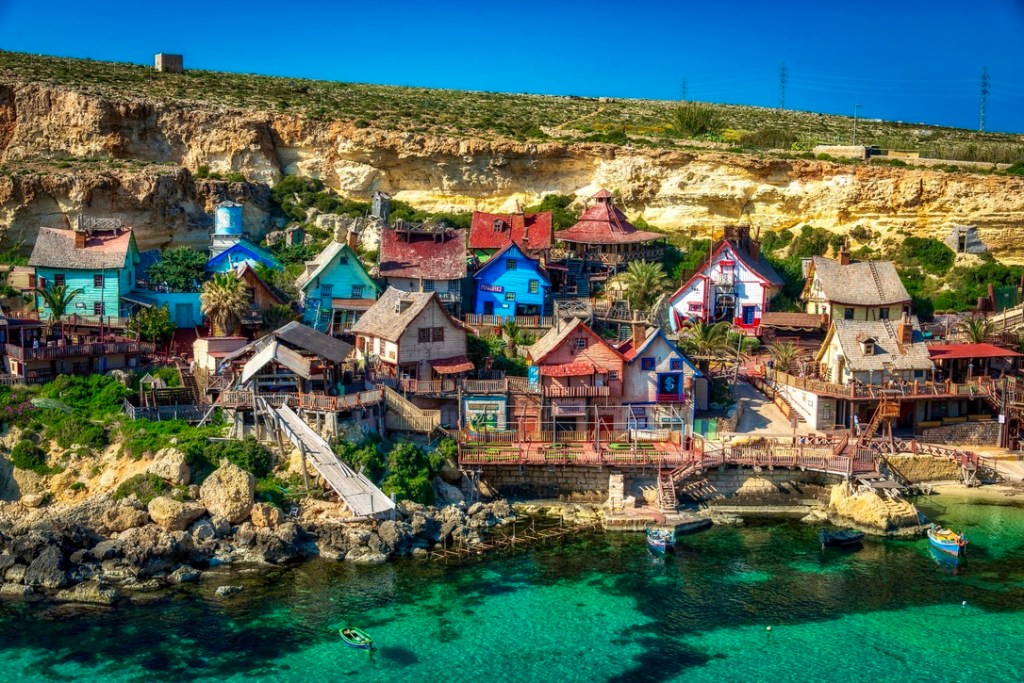
Children’s eyes will pop when they see the ramshackle Popeye Village
Mdina’s ornamental gate was the entrance to King’s Landing in Game of Thrones

Back on Malta, and not far from Cirkewwa, is the higgledy-piggledy seaside Popeye Village, which was built as a film set for the 1980 musical comedy Popeye, starring Robin Williams. Instead of being dismantled after the cast and crew headed home to Hollywood, it was preserved and turned into a tourist attraction that’s especially popular with children.

Another filming location is the walled former capital, Mdina, whose monumental carved gateway will be familiar to Game of Thrones fans as the entrance to King’s Landing.

Guide Darrell’s colleague and actress Audrey Marie Bartolo knows more about the HBO blockbuster series than anyone else on Malta – she played a Dothraki – and tickets for her GoT tours are in big demand. Audrey is also a professional singer and competed in the 1990 Maltese heats of the 2010 Eurovision, which was won by Italy, with Ireland’s Liam Reilly a close joint-second with Somewhere in Europe.

The poor old Malta fans had nothing to sing about after that match in 1989 when John Aldridge bagged both goals and forced the Cisk brewery to work overtime for a week, but Darrell said the Irish will always be welcome on his beautiful home island.

“As long as they leave some beer for the rest of us,” he added.

The 5-star Malta Marriott Hotel and Spa in St Julian’s

GET THERE

Ryanair flies from Dublin and Shannon to Valletta. Travel agents Sunway (sunway.ie), Cassidy Travel (cassidytravel.ie) and Click&Go (clickandgo.com) offer package holidays to Malta.

STAY

The Malta Marriott Hotel and Spa (marriott.com) overlooking Balluta Bay in St Julian’s offers all the top-class dining and leisure facilities you would expect from a 5-star establishment. But the icing on the cake for a traveller like me, whose idea of packing is to throw a pile of clean but creased clothes into a bag, is that there’s an iron and ironing board in each room and suite. It’s a simple amenity that too many hotels neglect to provide – don’t they realise it’s a godsend?

GET A GUIDE

Tour guide Darrell Azzopardi can be contacted on darrellazzopardi@gmail.com and Audrey Marie Bartolo on audreymarie783@gmail.com